Between medieval villages, historic towns, Pyrenean mountains and southwestern French gastronomy, discover a region still untouched by mass tourism.
Introduction: why choose Saint-Élix-le-Château as your starting point?
When planning a trip to Occitania, the first names that usually come to mind are Toulouse, Carcassonne or the Pyrenees. Yet there is a more discreet territory, tucked between the Garonne river and the first foothills of the Pyrenees, where time seems to slow down. Welcome to the Volvestre.
At the heart of this region lies Saint-Élix-le-Château, a peaceful village in the Haute-Garonne that makes an ideal base for exploring a large part of southwestern France. In less than two hours’ drive, you can go from a fortified medieval town to a mountain lake, from a traditional market to a Cathar castle, or even from a village listed among the Most Beautiful Villages of France to a world-famous prehistoric cave.
Unlike major tourist destinations, the Volvestre has kept its authenticity. Here, the markets smell of sheep’s cheese and freshly baked bread. Café terraces welcome locals and visitors alike. The roads wind between sunflower fields, green hills and orchards, offering views that change with the seasons.
This guide has been designed as a travel companion. Each day offers a balanced itinerary, blending heritage, nature, gastronomy and encounters. Take the time to stop, chat with local craftspeople, taste local specialities and let yourself be surprised by places sometimes absent from the major tourist circuits.
Day 1: Saint-Élix-le-Château, the gateway to the Volvestre
It’s tempting to head straight for Toulouse or the Pyrenees. However, devoting a first day to Saint-Élix-le-Château lets you get a real feel for the soul of this region.
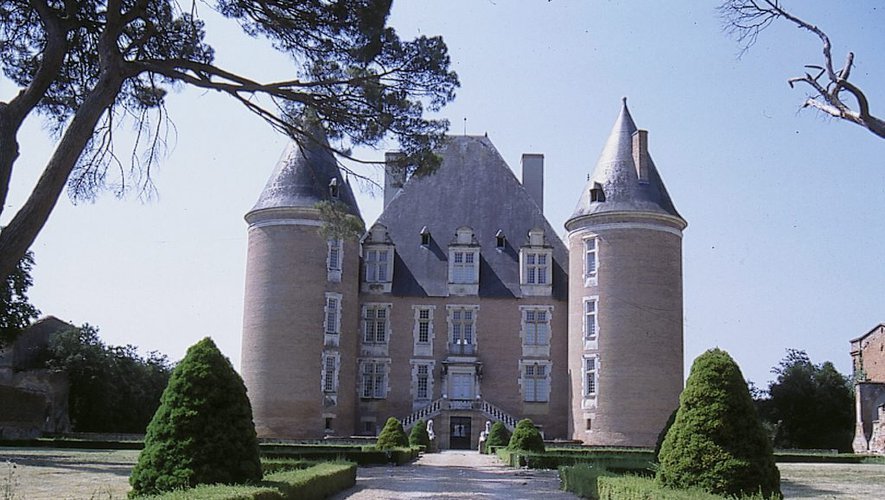
The village is built around its old heart, where red-brick houses echo the architectural identity of the Haute-Garonne. The façades alternate between coloured shutters, flower-decked balconies and former farm buildings converted into homes.
Walking through the streets, you’ll find a peaceful atmosphere, far from the pace of big cities. Here, the church bells still mark the rhythm of the day and locals are happy to take the time to exchange a few words with visitors.
A countryside of ever-changing landscapes
Around the village, small country roads invite exploration. Depending on the season, the landscape is dressed in fields of rapeseed, wheat or sunflowers. On clear days, the Pyrenees chain appears on the horizon, offering a spectacular backdrop.
Photography enthusiasts will especially enjoy the early morning hours and the end of the day, when golden light illuminates the hills.
Things to do
- Explore the village centre.
- Look out for the old brick farmhouses.
- Enjoy the Volvestre’s scenic roads.
- Discover local producers nearby.
- Admire the sunset with the Pyrenees as a backdrop.
Our tip
Don’t try to pack too much into this first day. The Volvestre reveals itself slowly. Take the time to settle in, enjoy a meal on a terrace, and soak up the local atmosphere.
Day 2: Rieux-Volvestre, the former bishops’ town
Just about fifteen minutes from Saint-Élix-le-Château lies one of the most beautiful villages in the southern Haute-Garonne: Rieux-Volvestre.
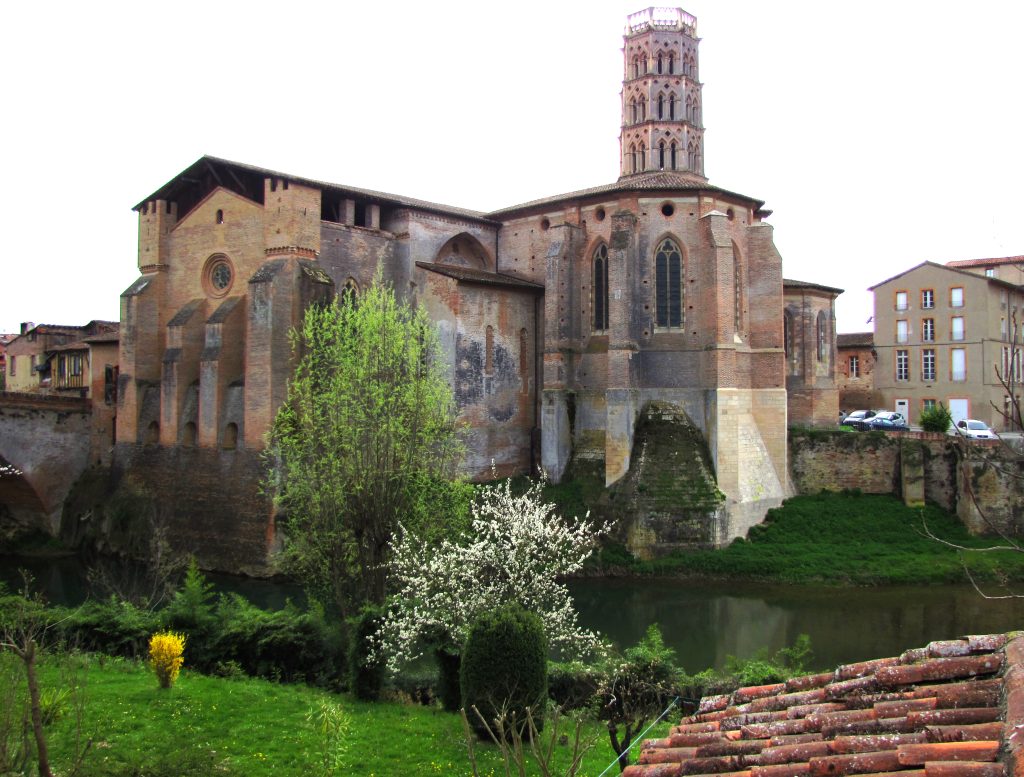
As soon as you arrive, you’ll understand why this former episcopal town fascinates history lovers. The half-timbered houses, pink-brick façades and cobbled lanes tell centuries of history.
The best way to discover Rieux-Volvestre is to leave the car at the entrance of the village and continue on foot. Every street reveals an architectural detail: a carved door, a mullioned window, an inner courtyard or a former merchant’s house.
Sainte-Marie Cathedral
You can’t miss Sainte-Marie Cathedral, a true symbol of the town. Built between the 13th and 14th centuries, it harmoniously blends southern Gothic style with local architectural traditions.
Inside, the light filtering through the stained-glass windows creates a peaceful atmosphere perfect for quiet contemplation. Take a few minutes to admire the details of the sculptures and the elegant simplicity of the building.
The banks of the Arize
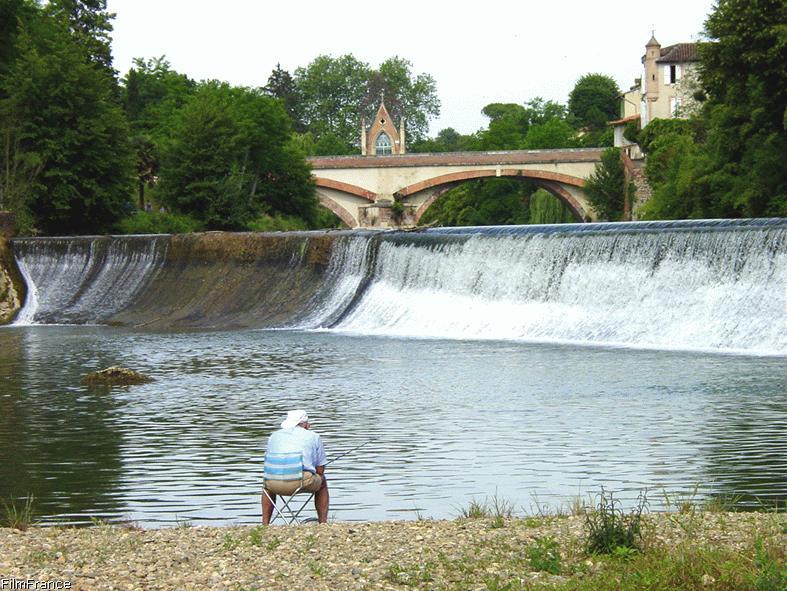
After visiting the historic centre, head to the banks of the Arize. The river flows quietly through town and offers several particularly photogenic viewpoints. The old bridges, façades reflected in the water and centuries-old trees create a charming setting.
It’s also an excellent spot for a picnic or a shady break on summer days.
A unique tradition: the Papogay
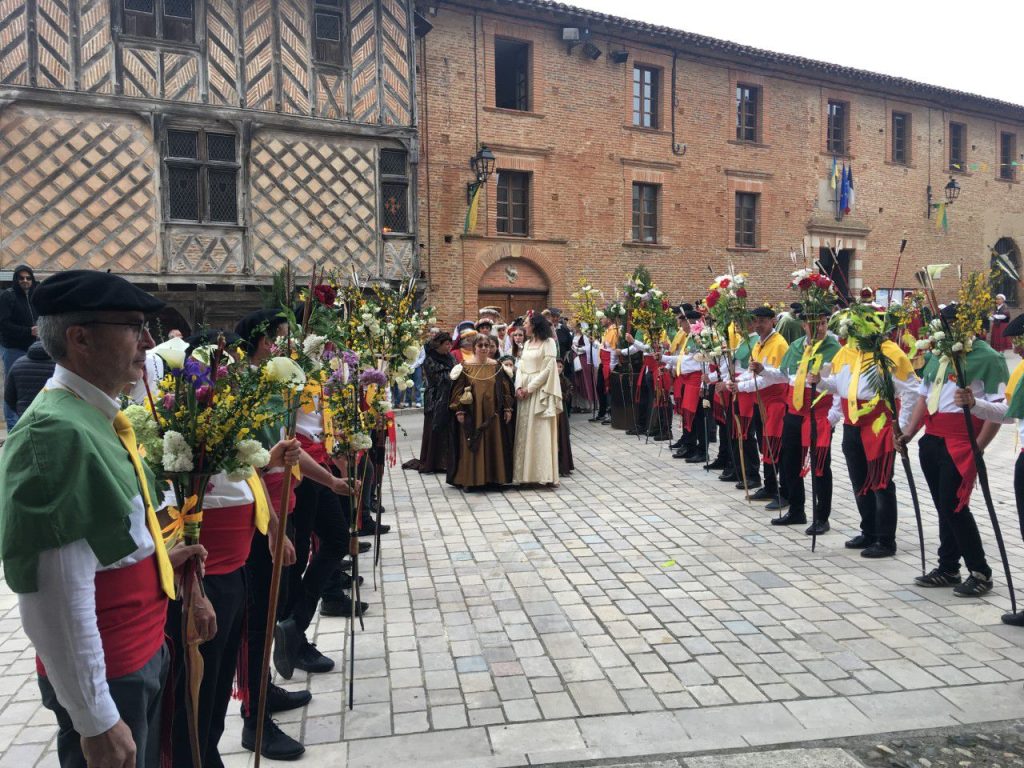
Every spring, Rieux-Volvestre celebrates the Papogay, a tradition inherited from the Middle Ages. Archers try to shoot down a wooden bird placed atop a pole. The winner becomes the « King of the Papogay » for a year, keeping alive a centuries-old custom.
This festival, combining history, costumes and conviviality, is one of the most iconic events in the Volvestre.
Not to be missed
- Sainte-Marie Cathedral.
- The medieval lanes.
- The half-timbered houses.
- The banks of the Arize.
- The views from the old bridges.
- The craft workshops and local shops.
Our tip
Visit Rieux-Volvestre early in the morning. The light is ideal for photos, the streets are quiet and you’ll fully enjoy the authentic atmosphere of this former town.
Day 3: Martres-Tolosane, capital of faience pottery
Continuing your discovery of the Volvestre, stop off at Martres-Tolosane, a small town renowned throughout France for its ceramic craftsmanship.
Since the 18th century, faience workshops have been producing decorative pieces of great refinement. Hand-painted plates, vases, traditional dishes and art objects bear witness to a craft that is still very much alive.
Take the time to visit a workshop. Watching craftspeople shape the clay, paint the patterns and then fire the pieces gives you a real sense of the meticulous work behind each creation.
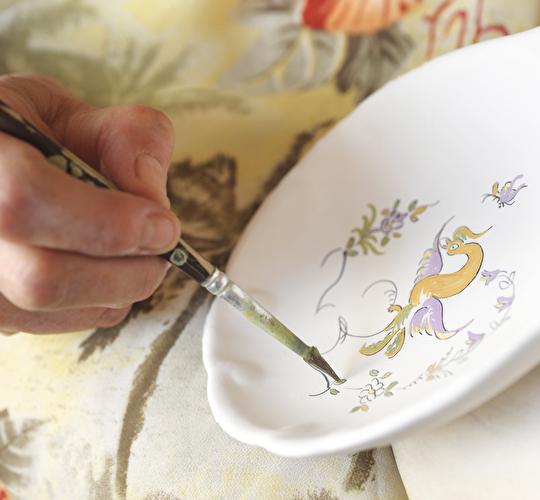
Beyond the ceramics, Martres-Tolosane has a pleasant old town, dotted with small squares, cafés and craft shops. Food lovers can browse the local shops to discover regional produce: honey, jams, cheeses and cured meats.
Things to do
- Visit a faience workshop.
- Discover the historic centre’s heritage.
- Meet local craftspeople.
- Buy a unique piece as a souvenir.
- Sample regional produce at the market, depending on the day of your visit.
Day 4: Toulouse, the Pink City, capital of Occitania
You simply can’t stay in the Volvestre without devoting a full day to Toulouse. Located just about forty kilometres from Saint-Élix-le-Château, the Pink City is one of the most pleasant cities in France. Its pink-brick architecture, way of life, gastronomy and heritage make it an unmissable destination.
The best way to discover Toulouse is on foot. Forget the car for a while and let yourself be guided through the lanes of the historic centre. Each neighbourhood has its own personality: some are lively with terraces and students, others breathe the calm of old mansions.
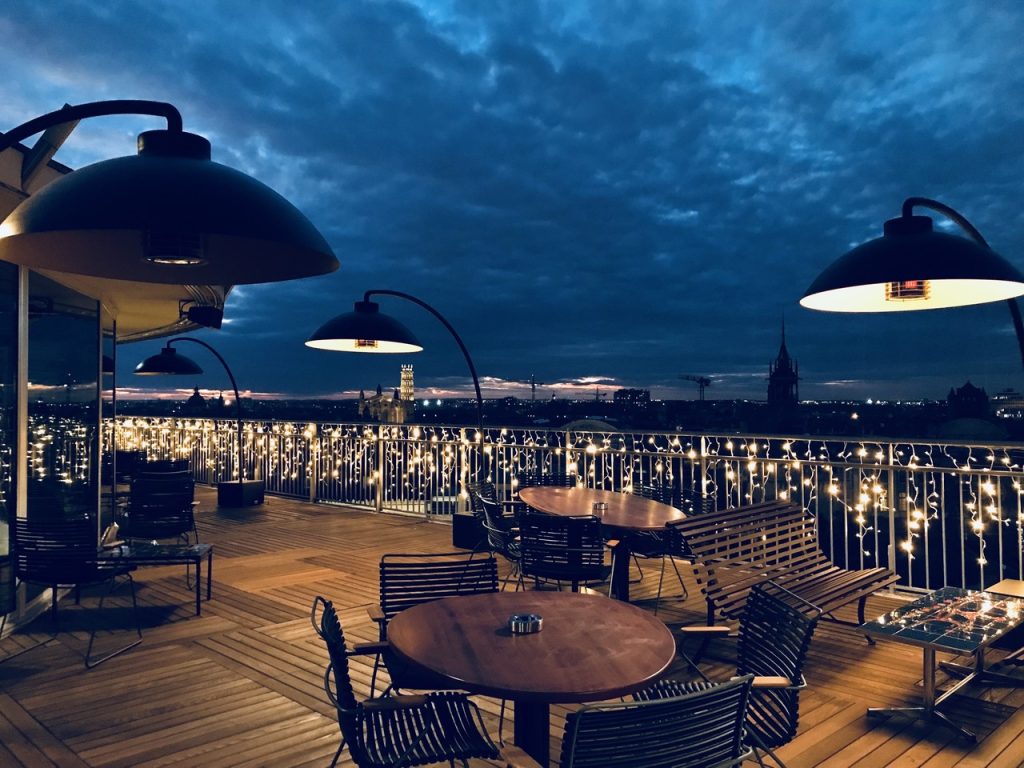
The Capitole, the beating heart of Toulouse
Your visit naturally begins at Place du Capitole, a vast square where locals and visitors love to gather.
Before you stands the Capitole, home to the city hall and the Théâtre du Capitole. Behind its majestic brick-and-stone façade lie several richly decorated halls, including the famous Salle des Illustres, often compared to a palace gallery.
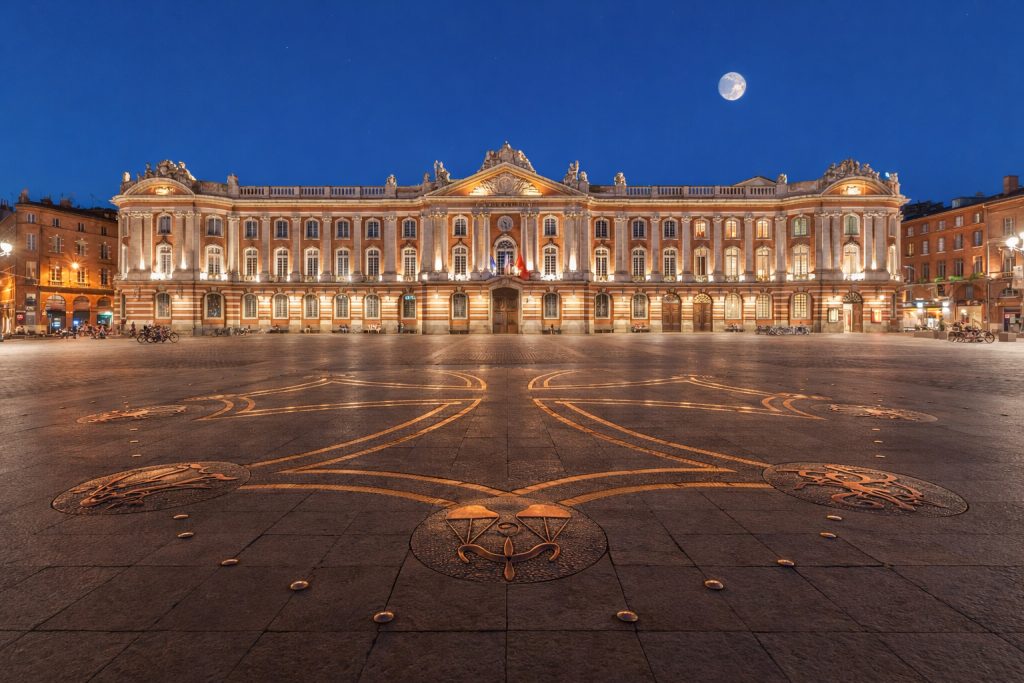
Take the time to look at the details of the square. On the ground, the Occitan cross recalls the region’s strong identity.
In the morning, cafés open their terraces and the square gradually comes to life. In the evening, the atmosphere becomes especially warm thanks to the many restaurants and street musicians.
Saint-Sernin Basilica
A few minutes’ walk away stands one of the most important monuments of European Romanesque heritage.
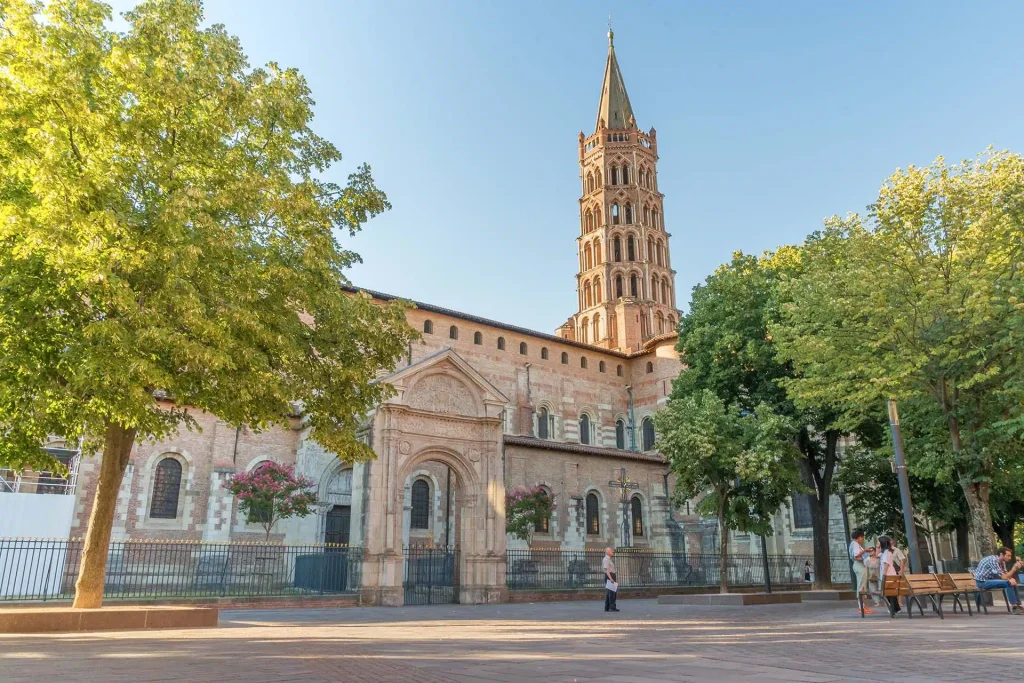
Built between the 11th and 13th centuries, Saint-Sernin Basilica is striking for its size and beauty. It’s an important stop on the Way of Saint James to Santiago de Compostela.
Inside, soft light highlights the ancient stones and richly decorated chapels. Even without a passion for history, it’s hard to remain unmoved by the atmosphere of this nearly thousand-year-old building.
The Jacobins Convent
Often less well-known than the basilica, the Jacobins Convent is nonetheless one of Toulouse’s most beautiful monuments.
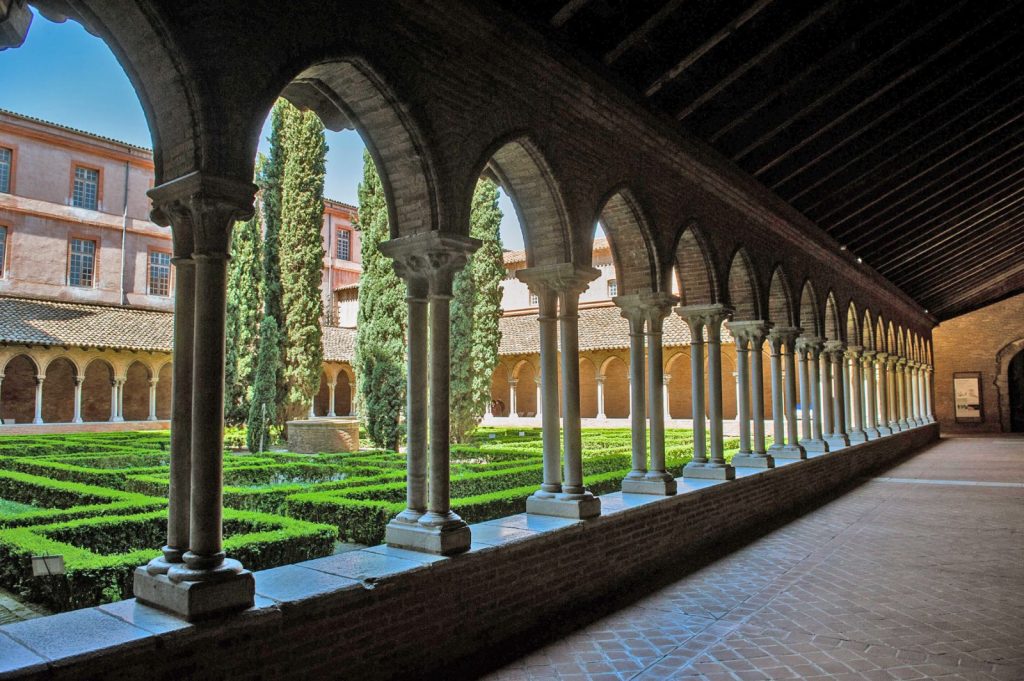
Its cloister invites calm, while its huge palm-tree-shaped column is considered a masterpiece of southern Gothic architecture. Saint Thomas Aquinas is also buried here.
The banks of the Garonne
Late in the afternoon, head to the banks of the Garonne. Locals come here to run, picnic, or simply watch the sunset. From the Pont Neuf, the view over the city is magnificent.
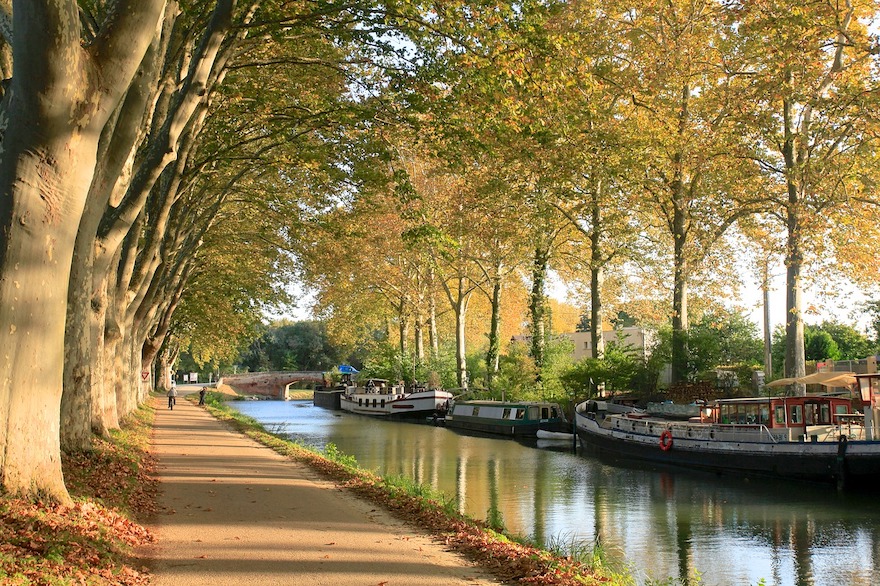
As the sun sets behind the pink-brick buildings, the whole city takes on an orange glow, which is how it earned its nickname, the Pink City.
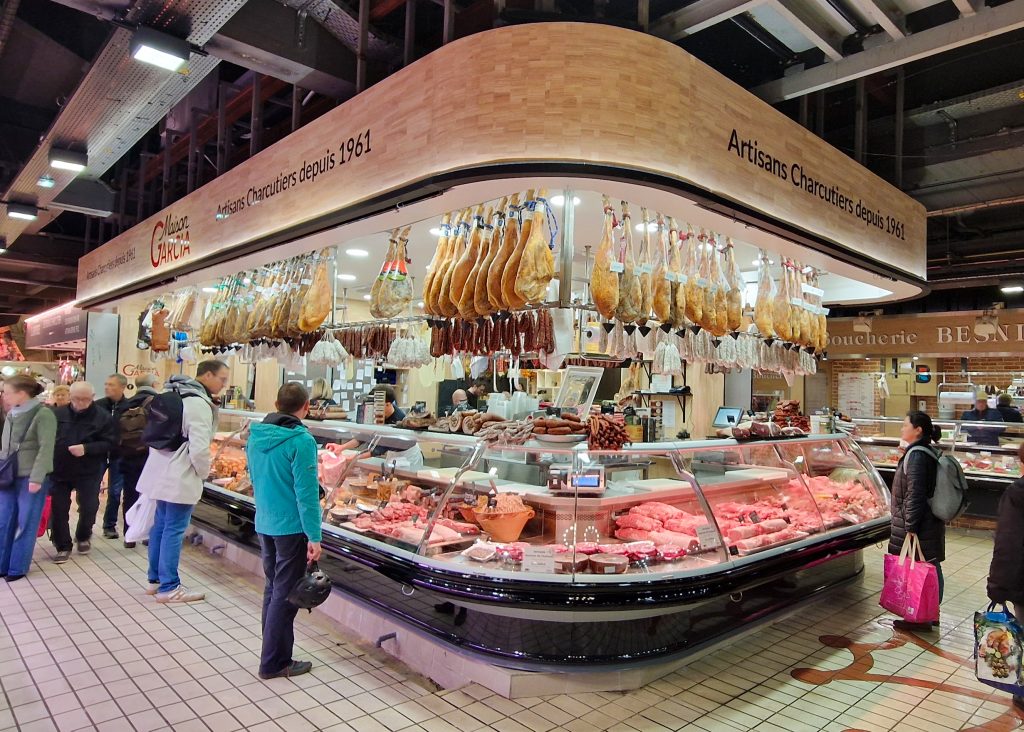
Les Halles Victor Hugo
For lunch, head to Les Halles Victor Hugo. Under this large covered market you’ll find the best produce of the southwest:
- foie gras;
- duck breast (magret);
- cassoulet;
- Toulouse sausage;
- Pyrenean cheeses;
- artisan pastries.
Upstairs, several restaurants cook directly with produce bought at the market. It’s one of the most popular culinary experiences among visitors.
Neighbourhoods to explore
Don’t leave Toulouse without exploring:
- the Saint-Étienne district and its mansions;
- rue du Taur;
- rue Alsace-Lorraine;
- the Carmes district;
- Place Saint-Pierre, very lively in the evening.
Each neighbourhood reveals another facet of the city.
Good places to know
For a sweet break, the tea rooms in the historic centre often offer a pleasant view of the old streets. Food lovers can also book a table at one of the many restaurants celebrating local produce.
Our tip
Avoid driving in central Toulouse. The metro, tram and walking make it much easier to discover the city. Allow a full day: it’s almost impossible to see everything in just a few hours.
Day 5: Muret, between history and easy living
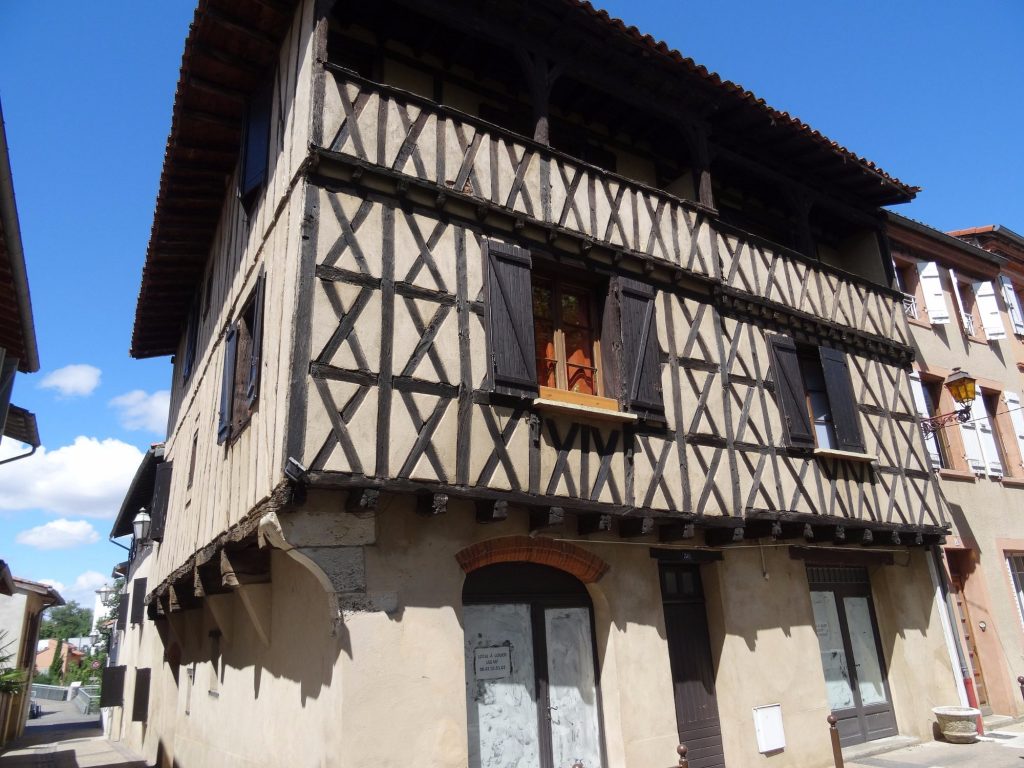
Often just passed through without a proper visit, Muret nonetheless deserves a stop. Located on the banks of the Garonne, this town has a pleasant centre that’s a pleasure to stroll through. Shaded squares are home to cafés, while the small shopping streets offer a friendly atmosphere.
A town marked by history
Muret is famous for the Battle of 1213. This clash pitted Simon de Montfort’s armies against the troops of King Peter II of Aragon. The crusaders’ victory profoundly changed the history of southern France and contributed to the gradual integration of Languedoc into the kingdom of France.
Even today, several information panels explain this major episode of medieval history.
The banks of the Garonne
The riverside quays are one of the most pleasant spots in town. Here you’ll see families, cyclists and walkers alike, all enjoying the calm. The green spaces are perfect for a shady picnic on summer days.
The market
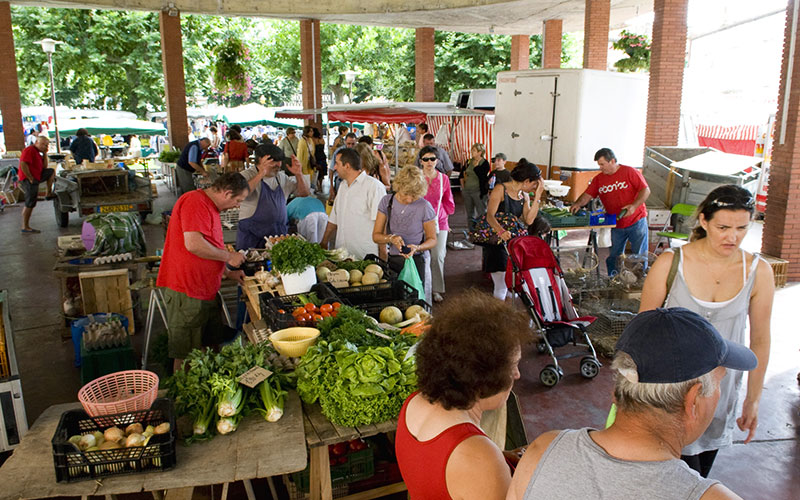
If your stay coincides with a market day, don’t miss the chance to meet local producers. Seasonal fruit, honey, farmhouse cheeses, Fronton wines and regional specialities all reflect the area’s thriving agriculture.
On Saturday mornings, from 8am to 12:45pm, the town centre fills with stalls and shoppers from all over the Muretain area. More than 120 traders offer a wide range of quality products and services. For parking, the Allées Niel municipal car park is your best bet.
A tasty stop
Muret is also a great opportunity to try southwestern cuisine. Among the must-try specialities:
- cassoulet;
- duck confit;
- garbure;
- apple croustade;
- wines from the Frontonnais area.
Nearby walks
From Muret, several routes lead into the surrounding countryside. Small roads cross sunflower fields, orchards and many typical Volvestre villages.
Our tip
Take the time to venture out of the town centre. The area around Muret offers several magnificent views over the Garonne valley and, on clear days, the Pyrenees mountain range.
Traveller’s notebook: the first days in the Volvestre
After five days, you’ll already have discovered several faces of Occitania. You’ll have wandered the medieval lanes of Rieux-Volvestre, admired the craftsmanship of Martres-Tolosane’s artisans, explored the cultural richness of Toulouse and enjoyed the easy living of Muret.
Yet the journey is far from over. The coming days will take you towards the first peaks of the Pyrenees, villages listed among the Most Beautiful Villages of France, the wild valleys of the Comminges, and some of the most beautiful views in the southwest.
Days 6 to 10: From the villages of the Comminges to the peaks of the Pyrenees
After discovering the hills of the Volvestre and the buzz of Toulouse, it’s time to head south. The further you go, the more the Pyrenees take shape on the horizon. The landscapes become wilder, the valleys deeper, and the villages seem suspended in time.
This part of the trip takes you into the heart of the Comminges and the Ariège, two areas where history, nature and tradition are deeply intertwined.
Day 6: Saint-Bertrand-de-Comminges, a village out of time
The road to Saint-Bertrand-de-Comminges crosses peaceful countryside, dotted with meadows where cows and horses graze. In the distance, the Pyrenees gradually draw closer. Then, atop a hill, the imposing silhouette of Sainte-Marie Cathedral appears.
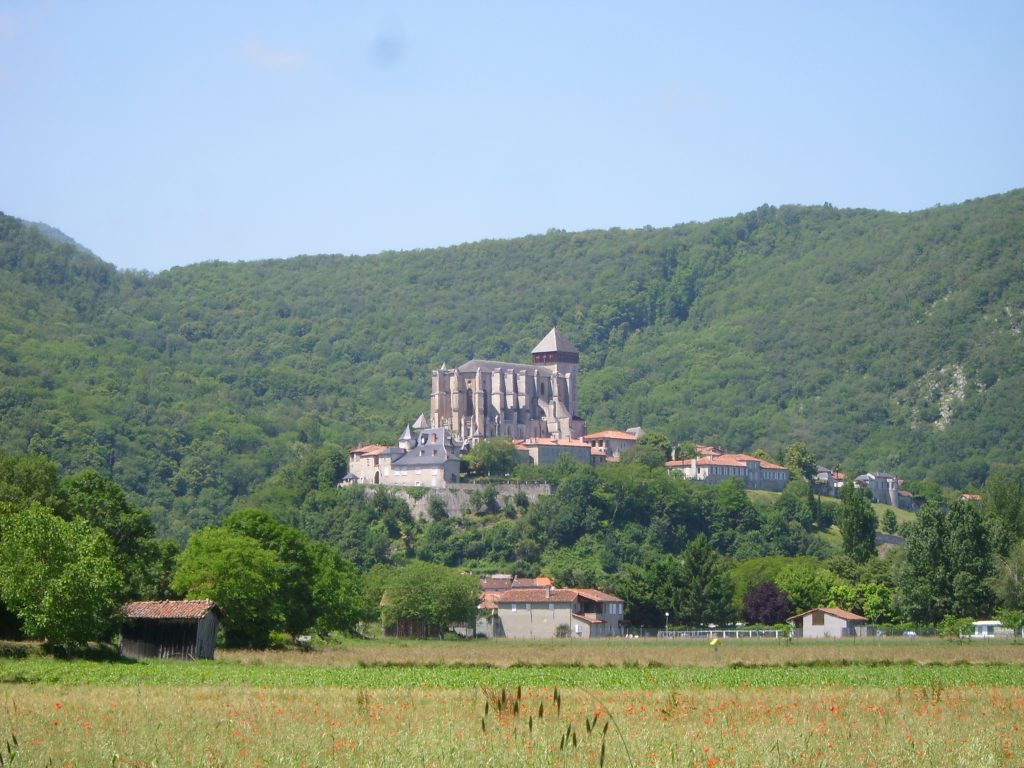
Listed among the Most Beautiful Villages of France, Saint-Bertrand-de-Comminges was once an important Roman city known as Lugdunum Convenarum. Today, a few hundred residents still live within its walls.
Leave your car in the car park below and reach the village on foot. The cobbled streets wind between stone houses, flower-filled gardens and the former homes of the canons.
Built between the 11th and 14th centuries, the cathedral overlooks the whole valley. The magnificent carved wooden choir is considered one of the finest in France. Next to it stands a superb cloister offering several breathtaking views of the surrounding mountains.
Before leaving the village, take a detour to the ancient Roman excavations, remnants of the antique city that thrived here nearly two thousand years ago.
Our tip: arrive right when the village opens, before the tour groups, to enjoy exceptional peace and quiet.
A stop in Valcabrère: less than two kilometres away hides another treasure, the Saint-Just Basilica of Valcabrère, built with stones from the neighbouring Roman city. This visit takes less than an hour but is well worth the detour.
Day 7: Bagnères-de-Luchon, the queen of the Pyrenees
Heading further south, the mountains truly take over. Welcome to Bagnères-de-Luchon. Since the 19th century, this spa town has attracted travellers, writers, athletes and mountain lovers. Its wide, plane-tree-lined avenues give it a particular charm.
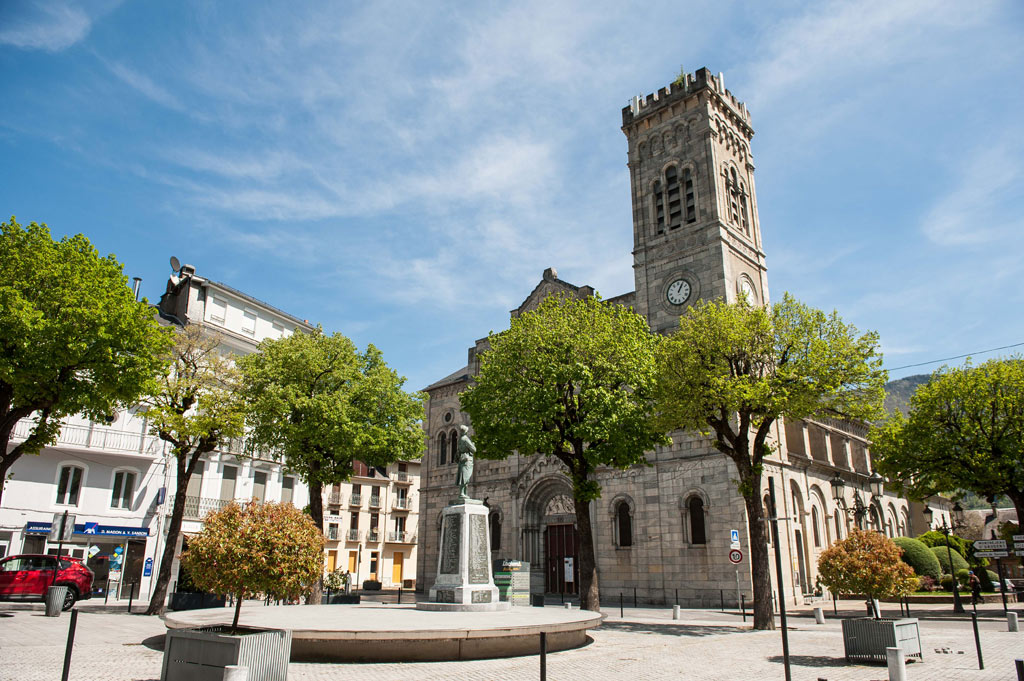
Start your day with a walk along the famous allées d’Étigny, where café terraces come alive from morning onwards. Here you’ll cross paths with both well-equipped hikers and spa-goers here to enjoy the thermal waters.
Even without taking a spa cure, the thermal baths offer several relaxation areas. To admire the whole valley, take the Superbagnères cable car: in just a few minutes you’ll gain several hundred metres in altitude, and the view is spectacular. In summer, numerous hiking trails start directly from the resort; in winter, Superbagnères becomes a ski area popular with families.
Mountain restaurants naturally showcase local produce: garbure, Pyrenean trout, Bethmale cheese, and blueberries for dessert depending on the season.
Day 8: Lake Oô and the Lys valley
This is probably the most famous hike in the Haute-Garonne. It starts from the granges d’Astau. The trail climbs gradually through a forest before offering several magnificent views of the peaks.
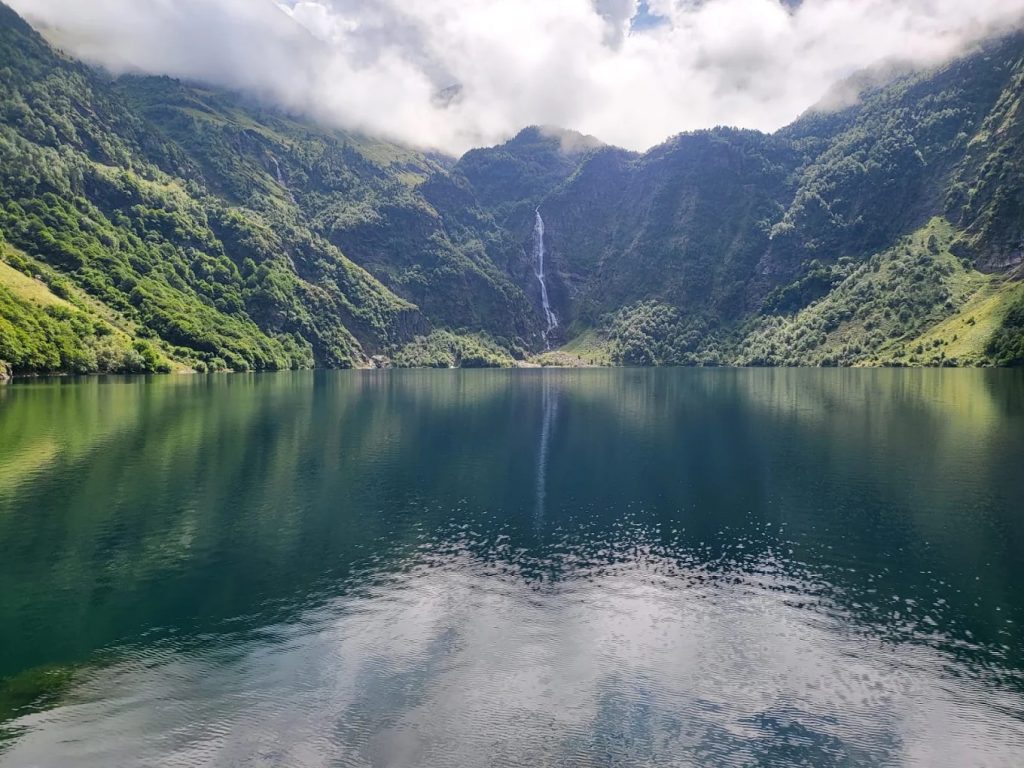
After about an hour and a half of walking, you’ll start to hear a roar. A few minutes later, Lake Oô appears, dominated by an impressive waterfall over two hundred metres high—one of the most photographed sights in the Pyrenees. The most adventurous can continue on to Lake Espingo or Lake Portillon.
In the afternoon, head to the Lys valley. Less busy than Lake Oô, it offers several waterfalls just a few minutes’ walk away; the coolness of the woodland is especially welcome in summer.
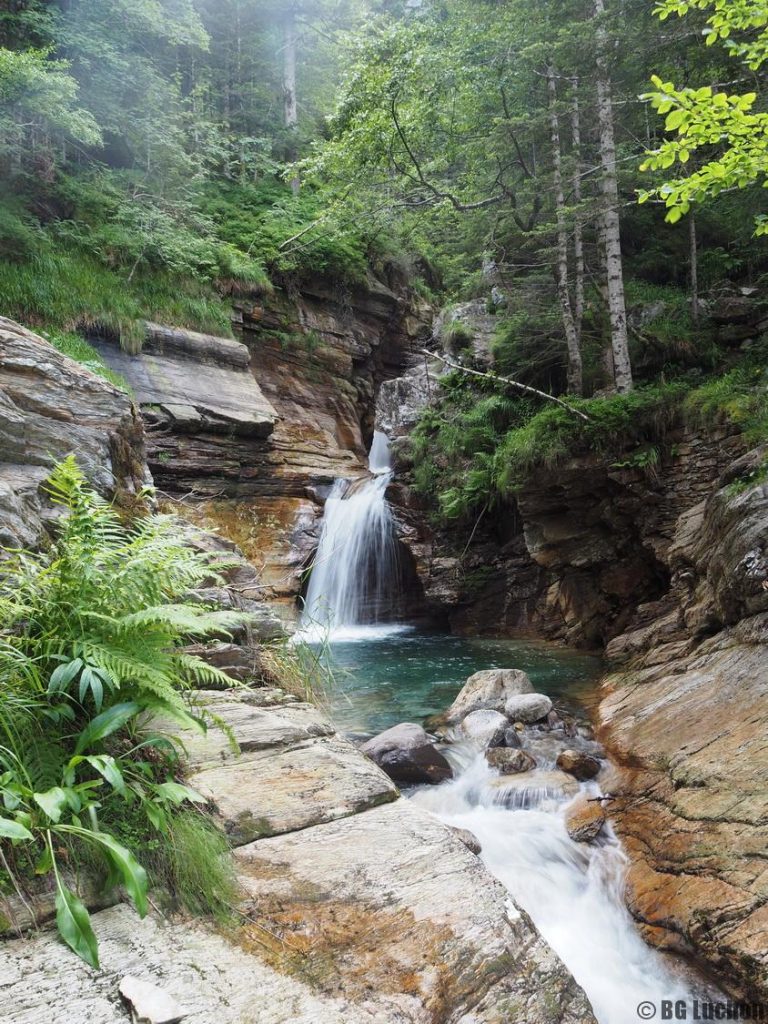
Before heading back, take the road over the Col de Peyresourde. The bends gradually reveal exceptional views, and the sunsets here are often magnificent.
Day 9: Foix, historic capital of the Ariège
Visible from far away, Foix Castle towers over the whole valley. Its three towers perched on a rocky spur are one of the most famous sights in the Ariège. The climb up is short but fairly steep; the reward is immediate, with a view taking in the whole town from the ramparts.
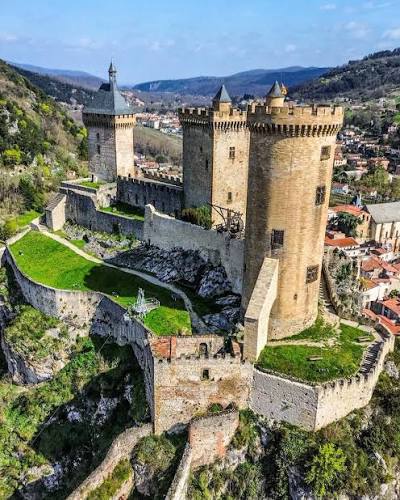
The museum inside the castle offers a glimpse into the daily life of medieval lords. Blacksmithing, stonecutting and archery demonstrations are regularly held during the tourist season.
After visiting the castle, wander through the old streets of the historic centre. The small squares are home to several cafés perfect for a break, and the weekly market attracts many local producers.
Day 10: Le Mas-d’Azil and Saint-Lizier
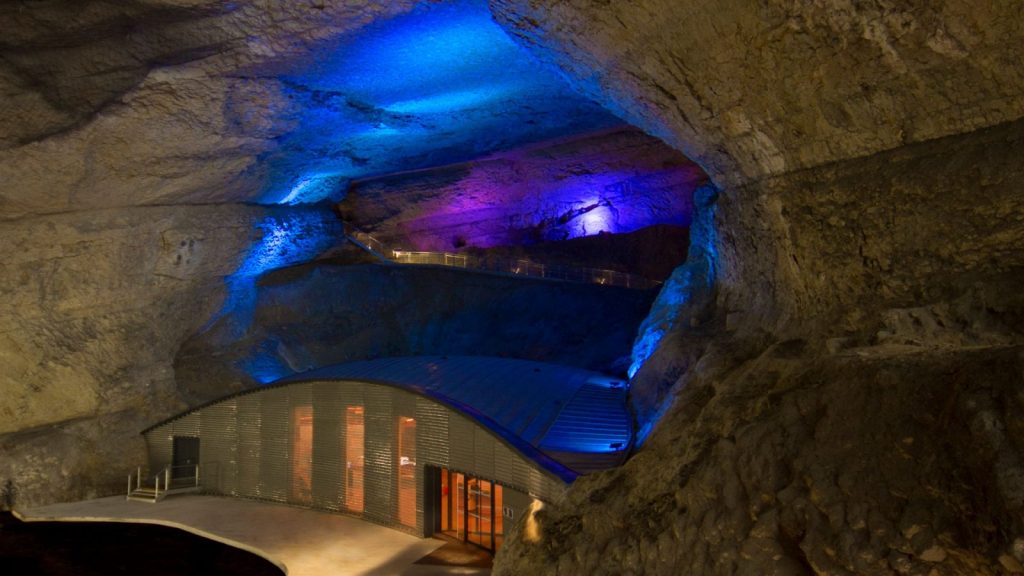
The morning starts at a truly unique spot: the Mas-d’Azil cave is crossed… by a road. By car, you literally drive beneath a gigantic vault carved out by a river. The guided tour lets you explore the chambers open to the public, as well as the prehistoric remains found in the cave.
In the afternoon, head towards Saint-Lizier. Overlooking the Salat valley, this village is often considered one of the most beautiful in the Ariège. Its Bishops’ Palace, ramparts, flower-lined streets and two cathedrals reflect its past importance. The ramparts garden offers an exceptional view over the mountains.
Traveller’s notebook
These five days are often the point at which visitors truly fall in love with this region. Between medieval villages, majestic mountains, glacial lakes and centuries-old heritage, every stage reveals a new facet of Occitania.
And yet the journey is far from over. The coming days will take you to two of the greatest wonders of the southwest: the fortified city of Carcassonne, the red bricks of Albi, the steep streets of Cordes-sur-Ciel, the landscapes of Carla-Bayle, Aurignac and the famous market of Montbrun-Bocage, bringing this fifteen-day adventure to a close.
Days 11 to 15: The great sights of Occitania
After several days among the mountains, valleys and villages of the Comminges, it’s time to discover some of the most famous sites in the southwest. This final leg of the journey takes you from the majestic city of Carcassonne to the cobbled streets of Cordes-sur-Ciel, before returning to the hills of the Volvestre to end your stay in a more authentic, local atmosphere.
Day 11: Carcassonne, the most beautiful medieval city in Europe
Just catching sight of the ramparts from the road is enough to understand why Carcassonne has fascinated travellers for centuries. With its double fortifications, fifty-two slate-roofed towers and imposing castle, the city looks as though it stepped straight out of a tale of knights.
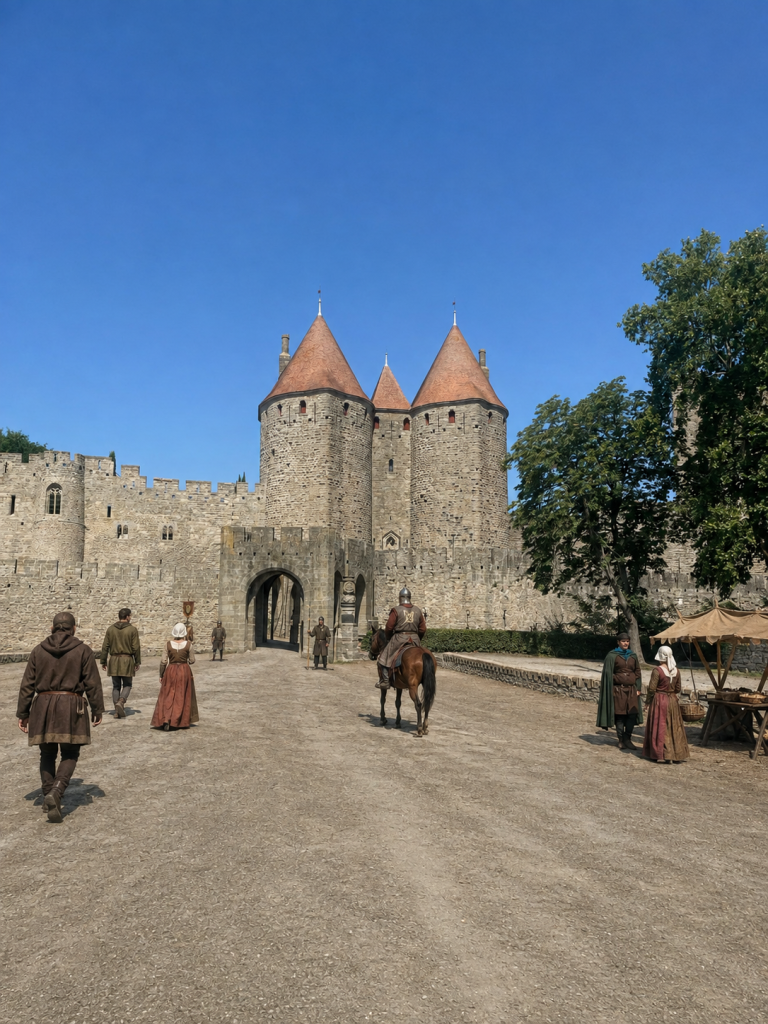
The best time to visit is early morning, when the cobbled streets are still quiet. Start with a walk along the ramparts: nearly three kilometres long, they offer remarkable views over the lower town, the Aude valley and, on clear days, the Pyrenees.
At the heart of the fortress stands the Château Comtal, built in the 12th century, whose visit helps you understand the evolution of medieval defence techniques. Don’t miss the Saint-Nazaire Basilica either, famous for its stained-glass windows, among the finest in southern France.
Carcassonne is also the kingdom of cassoulet, prepared with white beans, duck confit, sausage and sometimes pork.
Guide’s tip: stay until nightfall, when the ramparts light up and the city becomes truly magical.
Day 12: Albi, the red city
If Toulouse is known as the Pink City, Albi could be called the Red City. Its brick buildings form a remarkable architectural harmony, and the historic centre is a UNESCO World Heritage Site.
Sainte-Cécile Cathedral is one of the most impressive in France: seen from outside, it looks more like a fortress than a church, while inside, the paintings, gilding and the gigantic Last Judgement fresco leave visitors speechless.
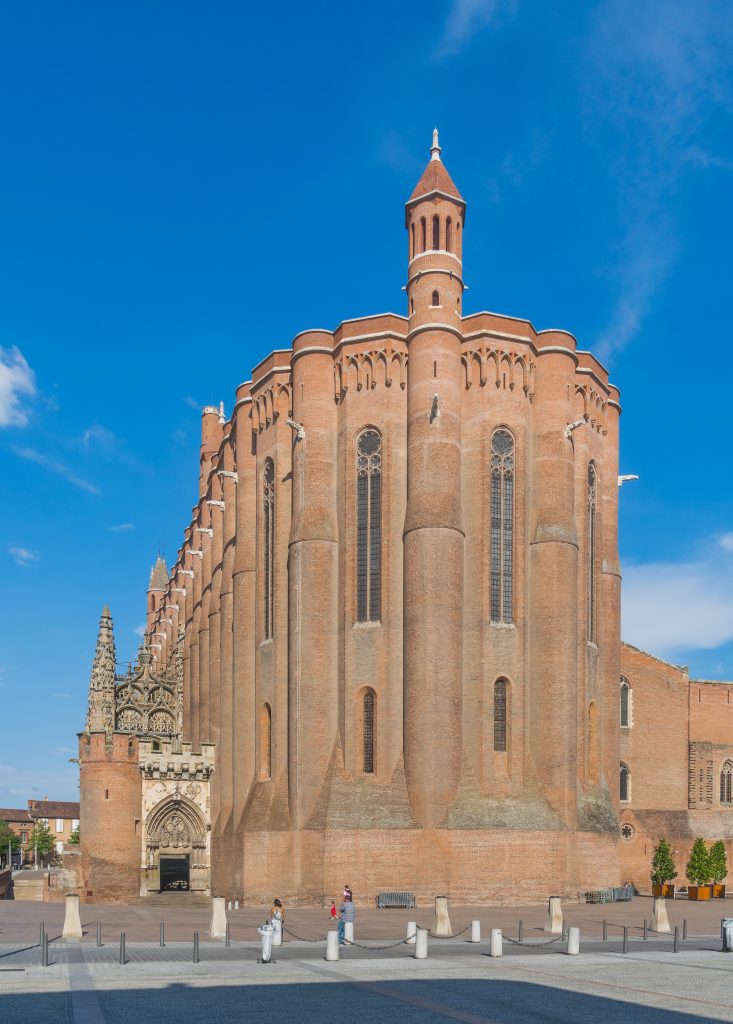
The Berbie Palace, once the bishops’ residence, now houses the Toulouse-Lautrec Museum, dedicated to the famous painter born in Albi. From the palace gardens, the view over the Tarn river is splendid—one of the finest viewpoints in town.
Day 13: Cordes-sur-Ciel, the village that touches the clouds
Some villages you simply visit. Cordes-sur-Ciel, on the other hand, you have to earn. From the car park, the climb is fairly steep, but every bend offers an increasingly spectacular view.
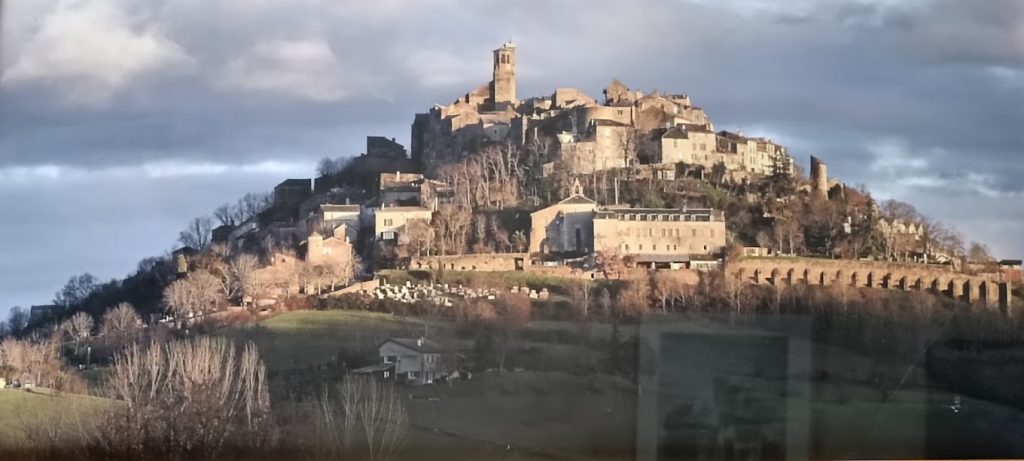
When morning mist covers the valley, the village seems to literally float above the clouds—hence its name. The remarkably well-preserved homes of wealthy medieval merchants bear witness to the town’s prosperity in the 13th and 14th centuries.
Cordes-sur-Ciel is also home to many craftspeople: glassblowers, painters, ceramicists, jewellery makers and sculptors. From the ramparts, the view over the Tarn countryside is simply outstanding.
Our tip: arrive before 10am or in the late afternoon, for ideal light and fewer crowds.
Day 14: Le Carla-Bayle and Aurignac, two villages full of character
Perched on a hill, Le Carla-Bayle overlooks a vast landscape of hills, fields and forests. Nicknamed « the artists’ village », it’s home to several galleries, workshops and permanent exhibitions. A few minutes from the centre, a landscaped lake lets you swim, paddleboard, or simply enjoy a relaxing moment.
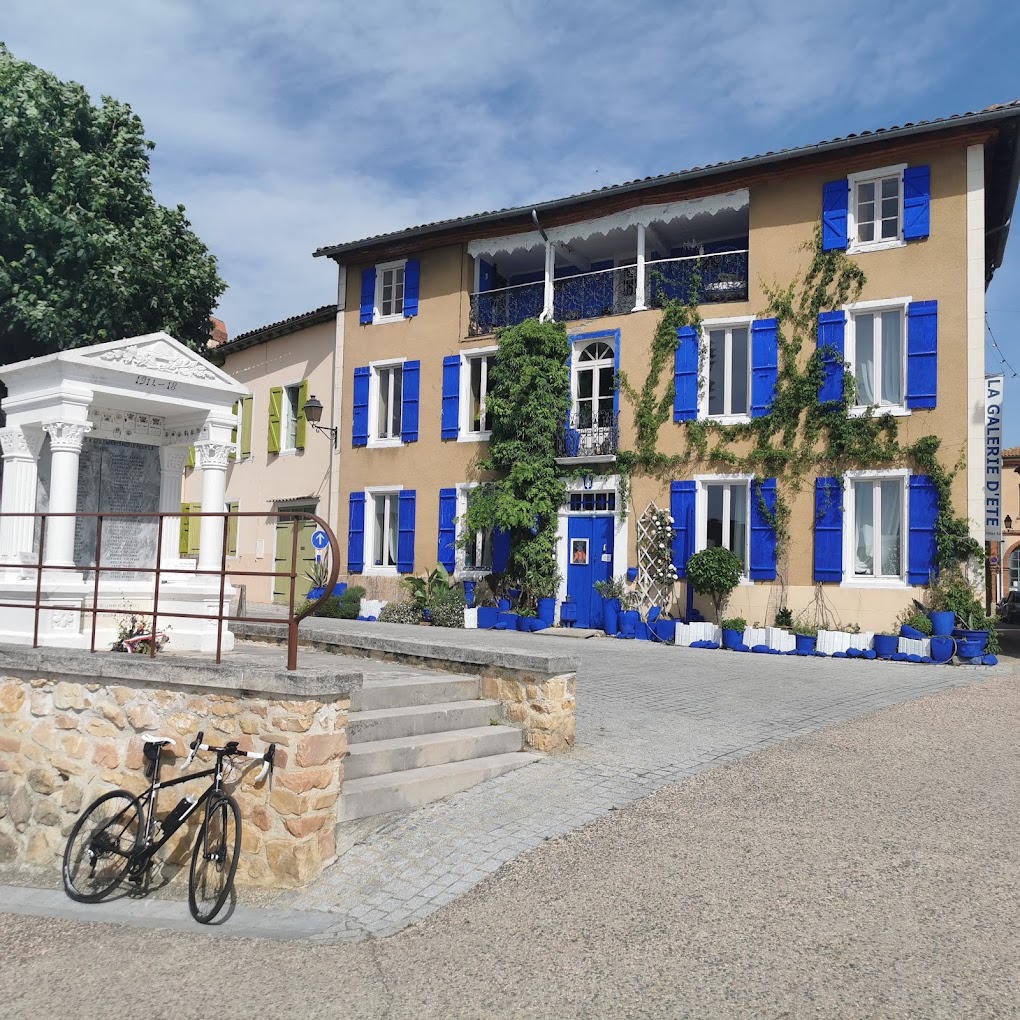
Aurignac is a major site for prehistory: it’s here that the Aurignacian culture was identified, one of the earliest cultures of modern Humans in Europe. The Prehistory Museum is very well designed and accessible to the whole family. After the visit, climb up to the ruins of the medieval castle for a superb view over the Comminges.
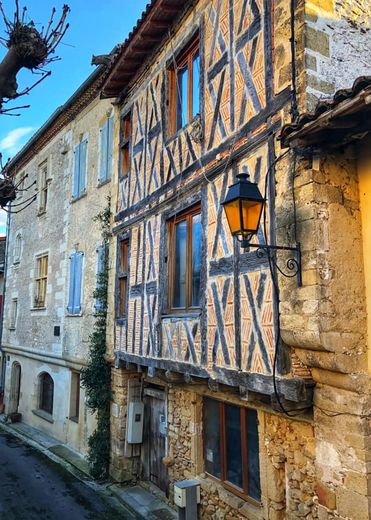
Day 15: Montbrun-Bocage, the soul of the Volvestre
To wrap up this journey, we return to the Volvestre. Montbrun-Bocage is a hilltop village that has managed to preserve its authenticity. On Sunday mornings, its famous market draws producers, craftspeople, creators, musicians and visitors from all over the region: organic vegetables, goat cheeses, sourdough bread, spices, honey, handmade crafts and sometimes even impromptu concerts.
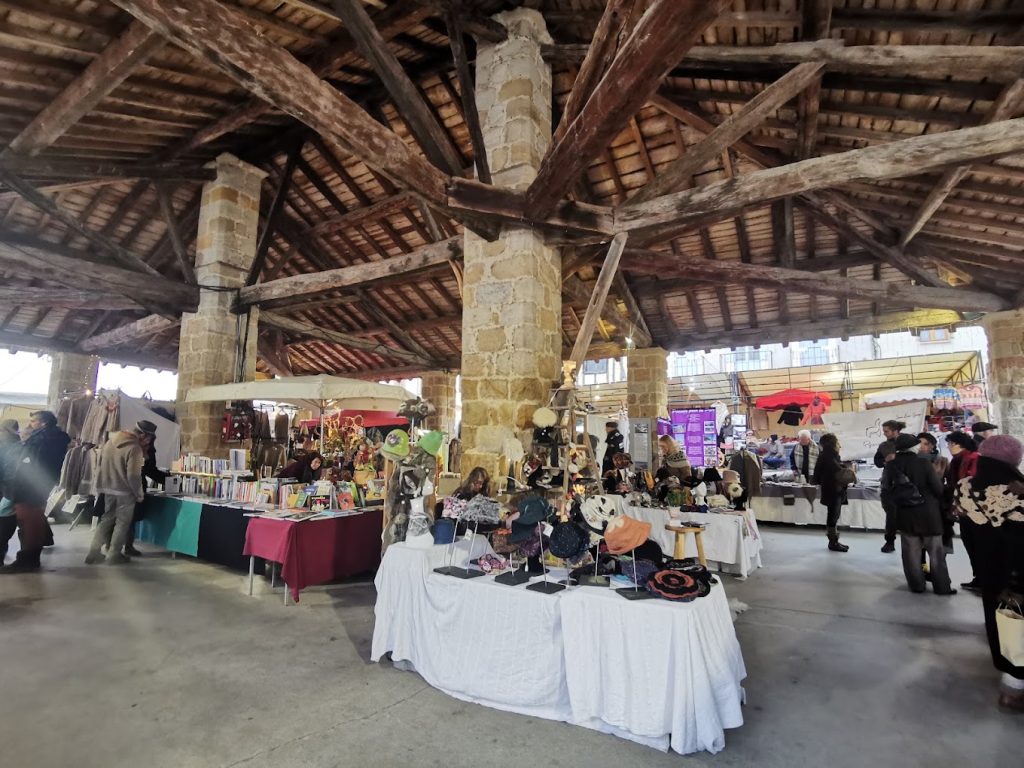
After the Sunday morning market, follow the paths around the village. The rolling landscape invites a stroll and offers one last view over the Pyrenees.
Specialities you shouldn’t leave without trying
Your trip wouldn’t be complete without discovering the local flavours:
- cassoulet from Toulouse or Carcassonne;
- Toulouse sausage;
- duck magret and confit;
- foie gras from the southwest;
- Bethmale cheese;
- Pyrenean goat cheese;
- apple croustades;
- gâteau à la broche (spit cake);
- wines from Fronton, Gaillac, Madiran and Corbières;
- mountain honey.
Take the time to visit local markets: they’re the best place to meet producers and pick up a few specialities to take home.
Our tips for a great stay
- Favour the smaller roads: they cross magnificent landscapes and villages often overlooked by the main routes.
- Bring good walking shoes: several historic centres are cobbled and some visits involve climbing.
- In summer, start visits early in the morning to avoid the heat.
- Always keep a camera handy: morning and evening light transforms the landscapes.
- Book your accommodation several weeks ahead if travelling in July or August.
Why the Volvestre deserves your attention
The Volvestre isn’t a spectacular destination at first glance. It has neither Mediterranean beaches nor the crowds of the French Riviera. And that’s exactly what makes it so charming.
Here, travel takes on a different dimension. You take the time to chat with a ceramicist in Martres-Tolosane, share a coffee on a square in Rieux-Volvestre, gaze at the Pyrenees from a country road, or taste a cheese bought straight from a producer.
In fifteen days, you will have discovered medieval villages, UNESCO World Heritage sites, Pyrenean valleys, authentic markets and generous gastronomy. But above all, you will have encountered a region that still cultivates a simple, warm way of life, deeply rooted in its traditions.
Perhaps that’s the true luxury of a trip to the Volvestre: coming home with the feeling of having discovered a more intimate Occitania, far from the busiest itineraries.
When you leave Saint-Élix-le-Château, you’ll most likely take home far more than photos. You’ll leave with memories of encounters, landscapes and peaceful moments that make you want to come back, again and again.